

-
Valuing and Celebrating Singleness
Written by Michelle J. Goff, Founder and Director of Iron Rose Sister Ministries

Singleness is a loaded word. It evokes a reaction and carries connotations that stir up feelings we may not be comfortable discussing. For some, singleness is independence and liberty. For others, loneliness, and isolation.
In 2019, I conducted surveys and interviews to ascertain the thoughts of single and single-again women on the topic of singleness. As one of the most neglected populations in our churches, yet statistically over half the population in the U.S., I knew this was a necessary conversation.
Late 2021, One Single Reason: Conversations with Single Women was released. It ensures that we seat God at the head of the table and most attentively listen to His voice. My voice is represented through various stories and illustrations. Other women’s voices are shared through their own experiences and perspectives. Finally, we invite your voice into the conversation. Pull up a chair!
We are invited to share in the opportunity to learn from one another and from Scripture. The number of single and single-again characters in the Bible is astounding. Some of the most famous people whose stories are narrated in the Scriptures were single, starting with Jesus.Then we have Paul, Mary, and Martha amongst His most devoted disciples. Miriam was single, Hagar was a single mom, and Anna was a widow who dedicated years serving in the temple, awaiting the Messiah.
One of the ways we can celebrate singleness is to highlight that facet of these integral individuals in God’s Bible story. Singleness is not the sum of who we are, but neither it is a characteristic or dynamic that can be ignored.
Integrating our unique qualities, God amazingly weaves all our stories into the tapestry of His design and wills us to walk with Him through all stages and ages of our lives. The Body cannot function without all its members (1 Cor. 12); therefore, our single members are also vital to the Kingdom.
One Sunday morning, shortly after the book’s release, a shepherd at my current congregation asked how long it took me to write One Single Reason. Before I could formulate my answer, he interrupted me. “I bet this one took a lifetime.” Amazed at how deeply that elder saw me and my work, I slowly nodded, “Yes, it did.”
Throughout my life, I have heard hundreds, maybe thousands of cries from single women that their stories be heard, and their lives be valued. We are more than our marital status, but singleness brings distinct challenges that can only be understood by someone who has lived through it.
The median age for women to get married has increased to 28 from an average of 20.3 in the 1950s. Most young singles do not have someone in their lives who has lived through the same experiences she has, beginning a career instead of starting a family. One course of action is not right while the other is wrong, they are simply different.
And our differences can feel threatening. We fear what we don’t know or understand. When we openly share our hearts, our struggles, and our experiences, we demystify the unfamiliar. Yes, there is a vulnerability in that level of openness, but we were designed to be in deep and meaningful relationships. Our sincerity will facilitate genuine conversation and unity.
We all long for relationship and purpose (Matt. 22:36-39; Matt. 28:18-20; John 15). As we strive toward these goals, may we listen, learn, and love those who are different. The invitation of God’s love and service in His Kingdom is not exclusive. We can all be clothed with Christ and find our most significant identity in Him (Gal. 3:26-27).
Today, I invite you to ask a single or single-again woman how you can pray for her. It is a first step toward listening, learning, and loving.
-
We Are a Whole
 Written by Liliana Henriquez, volunteer for Iron Rose Sister Ministries in Colombia
I don't know what has happened lately, but I have felt that the world has accelerated, and we are living life at high speed like "X2" in WhatsApp audios. On the one hand, it has been wonderful because we have managed to do many things in less time. Technology has helped us a lot and has made knowledge available to everyone. So there are no more excuses to grow and improve in any area of our lives. But, on the other hand, we live so fast-paced that sometimes, we forget to enjoy the moment and be grateful for the blessings that God is giving us day by day.
Today I want to focus on the positive side of this acceleration, and one of the things I love about this era is globalization. Geographical barriers are no longer obstacles to communicating and connecting with one another anywhere in the world. We already see our individual selves as a whole. We have normalized different time zones and cultures. We have friends and clients all over the world, and we feel they are super close thanks to video calls or Zoom meetings.
Another positive aspect of globalization is everyone's access to the Gospel. People are recognizing the need for Christ. We have seen it in the lives of artists and famous people who have publicly shared their faith journeys and inspired others to make the decision to accept Christ and obey the Gospel. That makes me very happy!
I feel that more and more people are using their platforms or channels of influence to impact the world positively, making Christ better known and giving relevance to the spiritual area. We are exercising our freedom in the right way.
Though I am free and belong to no one, I have made myself a slave to everyone, to win as many as possible. To the Jews I became like a Jew, to win the Jews. To those under the law I became like one under the law (though I myself am not under the law), so as to win those under the law. To those not having the law I became like one not having the law (though I am not free from God’s law but am under Christ’s law), so as to win those not having the law. To the weak I became weak, to win the weak. I have become all things to all people so that by all possible means I might save some. I do all this for the sake of the gospel, that I may share in its blessings. (1Co 9:19-23 NIV)
Christ is not religion. He is a relationship and a lifestyle. It should be noted that we are disciples of Christ not only in the church but in our work, friendships, relationships, etc. It doesn't make sense to be a Christian in select specific areas or places. We are a WHOLE; soul, mind, and body, and we must be coherent and congruent with what we profess. If we are Christians, we must act as Christians in our daily lives. In this way, we can put into practice one of my favorite phrases: "Preach the Gospel at all times, and if necessary, use words" (St. Francis of Assisi).
We were called to make Christ known at every moment. This is the good news that this fast-paced world needs!
-
We Are Spiritual Athletes
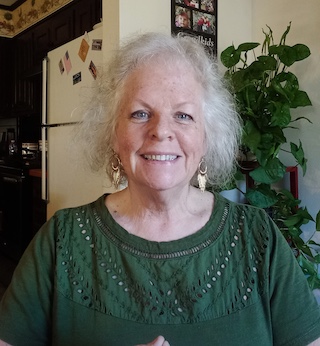 Written byKathy Reagan,volunteer with Iron Rose Sister Ministries in Texas.
Think about someone you consider ‘an athlete.’ What comes to mind first? How hard they exercise and train and how dedicated they are, right? Rain or shine, they are carrying on with their training. Nothing stops them.
Are we just as dedicated to our spiritual training (Heb 5:14)?
I began my karate training at age 29. It helped me on many levels: physically (strength, flexibility, balance, and agility to name a few) and mentally (to stay focused and humble). It took three years of daily classes and practice outside of class to achieve my first black belt rank. After that, I was blessed to open my own dojo (karate school) which I had for over 20 years. I had many students throughout the years who trained hard, not only in my classes but also daily at home. These students were a constant delight!
There are many parallels between physical and spiritual training! For both:
- We need the will to succeed – it takes deliberate effort.1 Corinthians 9:24 (ESV) says, “Do you not know that in a race, all the runners run, but only one receives the prize? So run that you may obtain it.” God’s will is for each of us to “...grow in the grace and knowledge of our Lord and Savior Jesus Christ” (2Pe 3:18). Growth in any area isn’t easy, whether it’s physical, mental, or spiritual. But we choose to work hard, in the study of His Word, to see improvements in ourselves.
- We need daily self-discipline – Let’s read on in 1 Corinthians 9:25, “Every athlete exercises self-control in all things. They do it to receive a perishable wreath, but we an imperishable one.” Athletes train hard every single day, not just occasionally or when they feel like it, but consistently.
- In what we internalize – spiritual food. Psalm 119:11, “I have stored up Your Word in my heart, that I might not sin against You,” and Colossians 3:16, “Let the Word of Christ dwell in you richly,” emphasize the importance of Christ living in us. We know that when we allow the world in through our eyes and ears (ungodly TV, videos, reading material, music), it’s like an athlete bingeing on junk food and expecting to do well in competition. It just won’t happen.
- In what we do – “But as He who called you is holy, you also be holy in all your conduct” (1Pe 1:15). In James 1:27, we see that God’s will is for us to “…keep oneself unstained from the world.”
- In how we think - “Set your minds on things that are above, not on things that are on earth”(Col 3:2).In 2 Corinthians 10:5, we’re instructed to “Take every thought captive to obey Christ.”
Is self-control always easy? No, it is rarely easy. That’s why we rely on our Father, laying each struggle at His feet, bringing each challenge to Him in prayer.
- We need daily practice – Of the karate students I taught, the ones who succeeded were those who practiced daily, in class and at home. There are many ways to practice our service to God! What gifts has God given you? Do you have a heart for the poor? Are you able to teach? Are you a natural encourager? Do you love to show hospitality? Just like an athlete practices every day to get better, we also get better at serving God as we step out in faith and serve others. James 1:27 tells us “Religion that is pure and undefiled before God the Father is this: to visit orphans and widows in their affliction…”.
I had a few students, over the years, who achieved their black belts and then went on to open their own karate schools. They were fully trained. “A student is not above his master”, but when fully trained, will be like his master. Matthew 10:24-25
Spiritual training is so much more important in this life than physical training!
With physical training, you might get in great shape and be lightning fast, strong and agile, but that only has small value for a Christian. Rather “…train yourself for godliness, for while bodily training is of some value, godliness is of value in every way, as it holds promise for the present life and also for the life to come” (1Ti 4:7-8).
Sisters, let’s make the deliberate effort to grow in the grace and knowledge of God’s Word – study! Ask for God’s help daily to exercise self-control in all things – pray! And intentionally choose ways to imitate Jesus every single day by ministering to others – practice!
As spiritual athletes, I pray that we are a constant delight to our Father in heaven, obedient students who train hard in everyday life to be like our Master.
-
Well Done, Good and Faithful Servant
 Written byJocelynn Goff, Volunteer with Iron Rose Sister Ministries in Arkansas
“Well done, good and faithful servant!” (Mt 25:21a). As Christians, these are words of blessing and affirmation we all long to hear. They bring hope and peace to our souls as we live out our faith in a world full of struggles, hurts, and deception. This begs the question: How can we make sure we hear these words?
To answer that question, let’s look at the whole context of the story that Jesus tells us.
Again, it will be like a man going on a journey who called his servants and entrusted his property to them. To one he gave five talents of money, to another two talents, and to another one talent, each according to his ability. Then he went on His journey. The man who had received the five talents went at once and put his money to work and gained five more. So also, the one with the two talents gained two more. But the man who had received the one talent went off, dug a hole in the ground and hid his master’s money. After a long time the master of those servants returned and settled accounts with them. The man who had received the five talents brought the other five. ‘Master, he said, you entrusted me with five talents. See, I have gained five more.’ His master replied, ‘Well done, good and faithful servant! You have been faithful with a few things; I will put you in charge of many things. Come and share your master’s happiness!(Mt 25:14-21)
If we were to read further, we’d see that the man given two talents received the same affirming words, “Well done, good and faithful servant” (Mt 25:23a). However, the man who was given one talent did not receive these same words of blessing. Instead, he received harsh words from his master. “You wicked, lazy servant!” (Mt 25:26a).
Wait, couldn’t the one-talent man have also received the words, “Well done, good and faithful servant”? Yes, I believe he could have. However, he acted out of fear and assumed his master was a hard man, so he went and hid his talent in the ground.
In contrast, I’m confident that my parents, who have both recently ascended to their eternal reward, have heard those precious words, “Well done, good and faithful servant.” They were definitely faithful stewards of the five talents that their Master had given them to bless others and give glory to Him. In turn, they were given other things with which to be in charge. While I realize that the reference in scripture refers to money, I believe it has application for abilities also. My parents used both money and abilities to multiply their Master’s Kingdom.
I’ve also known many faithful stewards who were given one talent but are not acting in fear, nor are they comparing themselves with those who have been given more talents. Rather, by faith, they are in the Kingdom business of using their money and abilities to the glory of God.
The question to each of us is not what number of talents we have been given by our Master but rather are we faithful stewards of those talents? Are we using them or hiding them? I pray that each of us will assess ourselves, be about Kingdom business with what we’ve each been given, and will all hear the blessed words, “Well done, good and faithful servant”.
-
What a Listening Spirit Produces
 Written by Claudia Malaquias, volunteer with Iron Rose Sister Ministries in Minas Gerais
The ability to listen is a precious talent, often underestimated in a world where communication is generally understood as speaking. However, true wisdom and understanding come from the ability to listen with an open heart and mind. The biblical passages of Matthew 15:10 and Proverbs 1:5-6 provide a solid spiritual foundation for understanding a listening spirit's profound impact.
In Matthew 15:10, Jesus says, "Hear and understand” (ESV). These words are a direct call to the importance of listening carefully. Jesus often taught using parables, requiring the audience to listen carefully and thoughtfully to capture the true meaning of His words. This form of communication highlights that listening is not simply a passive act, but an active practice of understanding and internalizing the message.
Proverbs 1:5-6 adds to this idea, stating, "Let the wise listen and add to their learning, and let the discerning get guidance for understanding proverbs and parables” (NIV). This verse suggests that the listening process is continual and essential for growth in wisdom. By listening, we gain not only knowledge but also the ability to apply that knowledge practically and effectively in our lives.
In my personal experience, adopting a spirit of listening has significantly transformed my relationships and my spiritual walk. I remember a time when I was facing a professional dilemma. Instead of acting impulsively, I sought advice and dedicated myself to listening carefully to more experienced colleagues. This practice not only helped me make a more informed decision but also strengthened my relationships in the workplace. The act of listening created a space of trust and mutual respect.
The habit of listening is also crucial in our family life. There are times when the people we live with (husband, children, siblings, etc.) need someone to listen to them without judgment or interruptions. By practicing active listening, we demonstrate love and empathy, which strengthens our bonds. I have learned that often solutions to problems arise not necessarily from what I say, but from the way I listen.
In the spiritual context, a spirit of listening also results in a deepening of our relationship with God. When meditating on the Scriptures and prayers, listening to God's voice requires silence and attention. There are times when the answers to our prayers do not come immediately, but through an ongoing process of listening and reflection.
Finally, a spirit of listening promotes humility. We recognize that we do not have all the answers, and that wisdom can be found in the experiences and knowledge of others. This recognition makes us more open to learning, and as a result, generates spiritual growth stimulated by the Scriptures (Heb 5:11-14; Pr 1:5-6; 1Pe 2:1-3; Col 1:9-10).
We can then distinguish some advantages of effective listening:
- Humility: Recognizing that we don't know everything and that others can offer us valuable knowledge and perspectives.
- Self-control: Practicing active listening requiring patience and the ability to control impulses to speak or interrupt.
- Openness to Criticism: Being willing to listen to constructive criticism and feedback as an opportunity to grow and improve.
In conclusion, what a listening spirit produces is transformation. It transforms our relationships, our spiritual understanding, and our personal growth. Matthew 15:10 and Proverbs 1:5 remind us that listening is more than a physical act; It is an exercise in wisdom and understanding. By cultivating a spirit of listening, we not only honor God, but we also position ourselves to receive His blessings and guidance more fully. In a world full of noise and distractions, choosing to listen carefully is an act of faith and wisdom that bears abundant fruit in all areas of our lives.
-
What a Wise Woman Did (Abigail)
 Written by Amanda Mirian, volunteer with Iron Rose Sister Ministries in João Pessoa, Brazil
In 1 Samuel chapter 25, we find a story involving God, David, Abigail, and Nabal.
David was God's anointed. Nabal is described as a rude, evil, and foolish man; "such a wicked man that no one can talk to him" (v 17 NIV). He was the husband of Abigail, a woman described as intelligent and beautiful.
David and his men offered to protect Nabal's property and servants, charging whatever he could afford. Nabal was a financially prosperous man, but in his foolishness, he refused David's request. David, in turn, was enraged by Nabal's actions and swore to kill all the men in his house.
How do you deal with injustice? What is your behavior when something unjust happens before your eyes?
The general tendency is to be overcome by anger, revolt, indignation, and the desire for the guilty party to be punished. "Whoever did such and such must pay for it!" Sometimes we forget about who was hurt or suffered the injustice, and we invest all our energy in punishing the guilty party. In this context, anger can turn me into an aggressor.
Anger is part of our repertoire of basic emotions; it appears in situations that we consider unfair. It serves to establish boundaries and prevent further harm. The goal is to stop what causes suffering.
Abigail was informed by one of her servants about what David had done for them and about Nabal's attitude. The servant said, "See what you can do" (v 17). She promptly stepped in to resolve the situation. She sent David and his soldiers a generous amount of supplies and went to meet him.
What would you say to an enraged general, marching with his 400 men, heading toward your house with the goal of killing every male? What would be the right words? What would change David's mind?
Abigail's attitude revealed the wisdom that comes from God: She listened to the needs of those who were offended, found ways to meet their needs, was a peacemaker, and based her words and actions on the fear of the Lord. She reminded David of the God he served and the battles that must be fought.
In 1 Samuel 25:23-31, some of Abigail's words were: "The Lord your God will certainly make a lasting dynasty for my lord”; “you fight the Lord’s battles”; “no wrongdoing will be found in you”; “the life of my lord will be bound securely in the bundle of the living by the Lord your God”; “When the Lord…has appointed him ruler over Israel, my lord will not have on his conscience the staggering burden of needless bloodshed or of having avenged himself.”
Hearing Abigail's words, David praised the Lord for her, acknowledging that God used her and that with her good judgment, she prevented blood from being shed in the name of revenge.
When Nabal learned all that had happened, he suffered a stroke and was paralyzed. About ten days later, the Lord struck him, and he died. When David learned of Nabal's death, he sent for Abigail and took her as his wife.
James 3:17-18 says,
But the wisdom that comes from heaven is first of all pure; then peace-loving, considerate, submissive, full of mercy and good fruit, impartial and sincere. Peacemakers who sow in peace reap a harvest of righteousness.
David's anger could never produce God's righteousness. The attitude of a godly woman is one of peace and good judgment.When your heart is filled with fury or when someone overcome with anger crosses your path, remember the attributes of God's wisdom, remember the God you serve, be a peacemaker, and remember that a woman filled with the wisdom that comes from above can prevent war.
Besides wisdom, another characteristic of Abigail was beauty. 1 Peter 3:3-4 says,
Your beauty should not come from outward adornment, such as elaborate hairstyles and the wearing of gold jewelry or fine clothes. Rather, it should be that of your inner self, the unfading beauty of a gentle and quiet spirit, which is of great worth in God’s sight.
If we want to be wise and beautiful women, we need to seek these attributes from the Lord. The work of the Holy Spirit in our lives will shape our character and guide us in situations where our emotions call us to war. The right words and correct attitudes in these situations come from God, not from ourselves. We need to be at the feet of the Master, Jesus, listening to and practicing His word, so that we are ready to deal with difficulties – our own or those of the people who cross our path.
-
What Does Total Commitment to God Look Like?
 Written by Kathy Reagan, volunteer with Iron Rose Sister Ministries in Arkansas
God’s Word has many examples of women who were completely committed to God, and it will bless us to take a look at their lives and choices.
Matthew 27:55-56 (ESV) says that “many women” followed Jesus, and it names three in particular who ministered to Him, following Him from Galilee. Also in Luke 8:1-3, two more names pop up—along with the phrase “many others”— and it says these women, who followed along with Jesus and His disciples as they traveled from town to town, “provided for them out of their means.”
The mother of the sons of Zebedee is named, and what we know about her is that her husband owned a fishing business and James and John were her sons. Mary, the mother of James and Joseph, may have been Jesus’ mother. Mary Magdalene is mentioned, out of whom Jesus had driven seven demons. Joanna, the wife of Herod’s household manager, is also named, along with Susanna.
What did these women give up to follow Jesus?
Do you think they (and the many other women with them) had comfortable homes back in their hometowns? Possibly. Did they leave their families, their comfortable beds, and their familiar environments to follow Jesus along dusty roads into strange towns and villages to hear Him teach, and to provide His meals and other necessities out of their personal money? Yes.
They “walked by faith, not by sight” (2Co 5:7). Traveling was difficult in those days! No airplanes, trains, or cars. And for these people of limited means, horses or donkeys were not even an option. They walked anywhere they needed to go—slow, physically challenging, and dusty roads. Why? Because they “trusted in the Lord with all their hearts” (Pr 3:5). They were not choosing the comforts of this world; they were boldly stepping out of their comfort zones on faith—traveling to places they had never been, unsure of the reception they would get, not knowing when they would get to go back home. But they knew one thing: Jesus was with them! When was the last time we stepped out of our comfort zones for Christ?
They focused on Jesus, not allowing this world and its distractions to get in the way. Colossians 3:2 tells us to “Set your minds on things that are above, not on things that are on earth.” They followed Him from town to town, drank in His teachings and His example, focusing on Him and not on what they were missing back home.
I’m reminded of the song we sing called, “Turn Your Eyes Upon Jesus.” It says, “Look full in His wonderful face. And the things of earth will grow strangely dim in the light of His glory and grace.” It is so true! Whatever we focus on becomes bigger. I know it may have been easier for these women to absorb Jesus and His teachings, hearing it from His own mouth, than it is for us now. But we do have His Words handy at our fingertips at any time of day. We need not travel hard every day to hear His teachings. It is just a matter of opening the Book. Do we drink in Jesus’ Word in our lives daily, like they did?
They put Him first in their lives. You know that as they followed Jesus, they heard Him teaching this: “Seek first His kingdom and His righteousness, and all these things will be added to you” (Mt 6:33) (referring to earthly necessities).
These righteous women were actively choosing God’s will over their own every day. They were traveling a hard road daily, sleeping in tents in a different place every night, spending their money to buy food and necessities for Him and His disciples so they could be with Him and learn from Him. They were following His example (even if not realizing it yet) from Luke 22:42, “Not my will but Yours be done.”
In what ways can we choose to put Jesus first in our lives today?
The excellent examples of these women who followed Jesus along the road can bless us today, as we see what their total commitment to Him looked like.
Sisters, I think it will bless each of us to ask ourselves a few simple questions, as we reflect on the wonderful examples these women left us.
What are we willing to give up to follow Jesus? Are we willing to step out of our comfort zones in faith for Him? Do we choose to focus on Jesus every day? Is “Not my will but yours” our standard in everyday life?
-
What I Have Learned as a Student of Relationships
Written by Lisanka Martínez, volunteer with Iron Rose Sister Ministries in Venezuela

“As iron sharpens iron, so one person sharpens a friend.” (Prov. 27:17 CEB)
We were created to be in relationships and to learn from those relationships.
It is undeniable that we are influenced by, and can influence the other people on our relational map. In this world, relationships are often complicated. Both in the family environment, as well as at work, in studies, and in the community, there will be differences, rivalries, and communication failures, among other things, that can make relationships complicated.
In the church body, we also learn about relationships, of course, with a different focus than the rest of the world. Once in Christ, even the most obstinate of human beings learns that we must love everyone, relate to all kinds of personalities, accept them, and treat them with love, as well as correct and be corrected with love. It is more difficult for some than for others. Depending on the temperament of each person, the change may be greater or less.
In my case, I grew up in a large family where most of them talked a lot, and with a loud and strong tone of voice. I, on the other hand, was quiet and limited myself to listening, expressing my opinion only if they asked me to. This distinguished me from others during my childhood and adolescence. I had few friends with whom I could express myself more openly; this caused some misunderstandings and embarrassing situations that only led me to become more withdrawn. Later, while I was studying Social Work, I began to express myself more in my relationships, both at school and with friends, but in my family relationships, I made little progress.
I learned a lot more about the exchange in relationships during my college years and in my working life. However, it wasn’t until I became part of the church that I learned so much more. I continue to learn about interpersonal relationships and the fact that God did not create us to be alone. His word says, “Two are better than one” (Eccl. 4:9 NIV).
When we are guided by the word of God and learn both from the examples of the relationships that had bad outcomes and from the ones that are good examples for believers, we can choose which path we will follow. When we understand the fruit of the Spirit and all that it generates in us, we will want to make an effort to develop it in our lives.
Likewise, when we see a brother or sister who, despite the adversities they are suffering, is ready to advise or help us, or when we understand that the sister who criticizes or judges also has faults and is as human as anyone, or when we see that sister who persists in her pride and maintains her opinions, believing herself to be wiser and less sinful than others (we may also see ourselves reflected in her conduct), we find that everything is part of God’s divine plan. Because we are blessed with His grace, every day we must try to keep the flame of brotherhood and friendship alive, despite our own mistakes or the mistakes of others. We learn that God's love is incomparable, and is what we must imitate, just as brother Paul advises when he says,
Do nothing out of selfish ambition or vain conceit. Rather, in humility value others above yourselves, not looking to your own interests but each of you to the interests of the others. In your relationships with one another, have the same mindset as Christ Jesus.(Phil. 2:3-5)
Let us try to achieve this in our relationships, not only with our sisters in faith, but also with each person who crosses our path and with whom we can share the glorious love of our Heavenly Father through the gospel of salvation along with a good deed or kind gesture.
Would you like to follow the example of our Lord Jesus Christ in His relationships?
What can we learn from each relationship with our brothers and sisters in Christ?
Are we applying that learning and that same attitude in our secular lives?
How can we improve our intra-family relationships?
May God bless us and help us reflect His peace and love every moment in all our relationships.
#IronRoseSister #teachthroughrelationships #learnthroughrelationships #learnfromothers #blog #guestwriter
-
What I Thought I Understood About God
Written by Corina Diaz, volunteer with Iron Rose Sister in Argentina

From a very young age, my personality was leading towards being an Enneagram 9. If you know about the Enneagram personalities, you will know what I mean. If not, this link will take you to some information that may help you understand it in a very illustrative way: The Nine Enneagram Types - Enneagram Explained.
The ability to mold myself into this Enneagram personality type is a result of being raised by a father who was a very severe man. So, I adopted a rather stressful defense mechanism: trying to make everything perfect at home to prevent my father from getting angry.
As a consequence of maintaining this practice for years, I managed to make connecting with God, from the perspective of seeing Him as a loving Father, one of my greatest challenges. This is especially hard when we have grown up with the image of a God who in the old covenant is seen as a strict and demanding Father, demanding the attention of His people.
However, when we look at the story of God and His people from a more global perspective, we observe a God full of grace and tenderness. “For the Lord your God is a merciful God; he will not abandon or destroy you or forget the covenant with your ancestors, which he confirmed to them by oath”(Deut. 4:31 NIV).
There are examples of grace throughout the Bible. Although the Old Testament focuses its attention on justice, mercy also plays an essential role in our understanding of the character of God. “In love a throne will be established; in faithfulness a man will sit on it— one from the house of David—one who in judging seeks justice and speeds the cause of righteousness”(Is. 16:5).
With God, there is no judgment without mercy. “Yet the Lord longs to be gracious to you; therefore he will rise up to show you compassion. For the Lord is a God of justice. Blessed are all who wait for him!”(Is. 30:18)
This new understanding of the old covenant has also changed the way I perceive my relationship with my earthly father and has even allowed me to discover traits of my own personality that I was unaware of. Now I can feel more authentic in my relationship with myself and with God, I feel confident in a love that doesn't desperately need perfection, it just needs me to be willing to live in His home forever as we are promised in Psalm 23:6. “Surely your goodness and love will follow me all the days of my life, and I will dwell in the house of the Lord forever.”
In this way, Christ can do his work.“My grace is sufficient for you, for my power is made perfect in weakness”(2 Cor. 12:9a).
-
What it Looks Like to be Clothed with Christ Today
 Written by Amy Mathis, volunteer with Iron Rose Sister Ministries in New Mexico
"I have been crucified with Christ. It is no longer I who live, but Christ who lives in me. And the life I live in the flesh, I now live by faith in the Son of God, who loved me and gave himself for me." (Gal 2:20 ESV)
On May 21, 2006, I was baptized at a church in the place that I lived in at the time. My oldest daughter was also "dedicated" on the same day. My baptism happened in the local YMCA because the church did not have a baptistry. (The church met in an old storefront.) I was a part of a mass baptism. I was baptized with two other people. When they attempted to put me under the water, they had to kick my legs from under me to get me submerged. That day after I was baptized, I did not feel any different: I didn't feel happy, I didn't feel joy, I just felt the same as I did before. As I later realized, I did not die to self or put on Christ. After that, I went to the same church for a while, but I just got burned out by being there. They were using me as an event coordinator, their "errands girl." So, I left. After leaving the church I went to other churches in the area, but I didn't feel loved, accepted (I was a single mom at the time), or fulfilled in God's Word. So, in short, I stopped attending church altogether.
Fast forward a lot of years later; years filled with a marriage, a miscarriage, a rainbow baby, several moves, the loss of loved ones, and a lot of life's ups and downs. I landed in Mayhill, New Mexico, after my husband accepted a preaching job at the Mayhill Church of Christ. We felt at home in the little mountain church. A year after we started at Mayhill, Troy and I attended a Soul Winning Workshop, in a town near Mayhill. During the workshop, they had us conduct an activity on how to win souls for Christ. During the activity, we "role played" a situation in which we talked about baptism. We asked each other if we were and if so, how we were baptized. My husband explained his baptism and I went on to explain mine. That was when I started to question my life in Christ. "For as many of you as were baptized into Christ, have put on Christ" (Gal 3:27 ESV). I did not feel like I had put on Christ back in 2006. After some prayer, getting more involved in the church, and soul searching, my baptism was heavy on my heart and in the back of my mind.
I was told about Higher Ground Ministries, and their upcoming spring retreat in March of this year. I thought about going, but first I had to do some research. After learning about them, I decided to go. It was one of the best decisions I have made. The ladies there made me feel loved, wanted, and accepted. They did not care that I was a preacher's wife. I was Amy, a child of God. During some of the talks on the first full day of the retreat, I was thinking about my baptism again.
After some prayer, I made the decision to be re-baptized. I did not tell anyone that night; I waited until the following day. First, I told my oldest daughter, Victoria, then I told my Heartfelt "mom" Ruth, my husband, Troy, and finally my Higher Ground "big sister," Andrea. Then it was announced to everyone at the retreat. At that moment, I could feel my Savior's arms around me. I told my husband that I wanted him to baptize me. We decided to do it during our afternoon service that Sunday. Once I got home from the retreat, we headed to the church. At 1:30 pm on Sunday, March 24, 2024, I died to self in the waters of baptism, and I put on the love of Christ! I felt so happy, loved, wanted and most of all, I now know that I am a true child of God, and I will never be the same again!
Statement from Iron Rose Sister Ministries: We rejoice with Amy in her decision to die to self, be united with Christ in His death, burial, and resurrection, and be clothed with Him. We respect her decision to commit her life more definitively to Christ. This blog post is insufficient for telling her whole story. And only God and Amy truly know all the details.
A blog post from last month details what it means to be Clothed with Christ in Baptism.
We are sharing Amy’s story and rejoicing with her being clothed with Christ. If you would like to discuss Amy’s testimony or any questions about baptism, we welcome the opportunity to talk and study with you.
-
What It Means to Be a Disciple of Christ
Written by Ann Thiede, volunteer with Iron Rose Sister Ministries in Arkansas

“Insecure” describes me from my childhood through my teenage years, wanting to fit in, becoming a people-pleaser which led to conflicts within and ungodly choices. I craved relationships—people with whom I could be close and share my heart. Unfortunately, many of my contemporaries during my high school and college days followed the crowd. But, praise God, a few helped me walk toward Christ.
Matthew, in his gospel, recorded these last words of Jesus:
All authority in heaven and on earth has been given to Me. Therefore, go and make disciples of all nations, baptizing them in the name of the Father and of the Son and of the Holy Spirit, and teaching them to obey everything I have commanded you. And surely, I am with you always, to the very end of the age.
I’m forever grateful for God’s beautiful orchestration through four peers, drawing me to Him and teaching me what it looks like to follow Him. These are some discipleship steps I’ve learned.
The first step involves getting to know Jesus as you read the Gospels with a hungry, teachable heart, and the willingness to let go of preconceived ideas. In searching for what you believe, you will find Who you believe. I encourage you to read through John’s gospel first, taking note of all of the titles Jesus gives Himself. For example, in John 6:35 He says, “I am the bread of life,” and then “…sothe one who feeds on Me will live because of Me” (6:57b). Ask yourself: What would it look like to feed on Christ?
The writer of Hebrews says, “For the word of God is alive and active. Sharper than any double-edged sword, it penetrates even to dividing soul and spirit, joints and marrow; it judges the thoughts and attitudes of the heart” (Heb.
Remember my issue of people-pleasing, wanting approval? Jesus wants us to please Him above all others. His desire is to draw us toward His likeness, giving us the courage to talk as He talked, live and love as He lived and loved, and to reach out and share the Good News even as He did.“For the Son of Man came to seek and to save the lost” (Luke 19:10). It is the heart of Christ that we who are disciples make disciples by sharing His Good News, studying the Word with those who don’t know Him, planting seeds of faith or watering what others have planted, and watching God bring the increase of souls into the Kingdom.
Discipleship means adhering to God’s Word first and foremost. Spirit-inspired words throughout the Bible embody truth. Luke records these insightful thoughts: “Now the Berean Jews were of more noble character than those in Thessalonica, for they received the message with great eagerness and examined the Scriptures every day to see if what Paul said was true” (Acts
Following Christ as His disciple also means walking together in this life with other disciples; encouraging one another, praying with one another, and sharing joy and grief together. Surrendering to Him as Lord and Savior means becoming a part of His Body, the church. Jesus intends for disciples to function together in harmony. I encourage you to read 1 Corinthians 12: 12-31 and Romans 12:4-8, both beautiful passages about the church and what your part may be, according to the gifts God has given you. Many disciples over the years have enriched my life, encouraging me to be more like Jesus. These relationships go deep as we share life including our spiritual struggles and victories. The Holy Spirit has taught me the value of Paul’s admonition when he says, “Follow my example, as I follow the example of Christ” (1 Cor. 11:1). If you desire qualities you see in another person that are Christlike, start asking God!
As you’ve read, in what area of being a disciple of Jesus do you desire growth?
- Getting to know Jesus better through the Gospels
- Developing a consistent prayer life
- Allowing Him to make changes in your life
- Making disciples by sharing Christ with others
- Letting the Word be your guide for truth above all
- Deepening relationships with other disciples
Go to Jesus and share with a fellow disciple. And remember, Jesus has promised to be with you, always.
-
What We Commit To
 Written by Michelle J. Goff, Founder and Executive Director of Iron Rose Sister Ministries
In preparation for the 2024 theme, “Committed to Christ, 24/7 in 2024,” I conducted a search of the uses of the word “commit.” Concordances provide a list of the occurrences of a word in the Bible. Sadly, I found the most frequent use of the word “commit” in the English Bible was in conjunction with the word, “adultery.” Ouch.
According to Merriam-Webster, “to commit” is 1. to carry into action deliberately (e.g. to commit a crime); 2. to obligate or bind (e.g. a committed relationship); 3. to put into charge or trust (e.g. committed by the court; commit to memory); 4. to obligate or pledge oneself (e.g. I commit my life to Christ.)
Returning to the Scriptures, references to committing adultery plague the Old and New Testaments. Instead of references to a commitment to God with a positive connotation, the pages of the Bible are riddled with stories of those who committed adultery and warnings to not commit adultery—personally or spiritually speaking.
Confronted by the harsh reality of the biblical references to the word, I was forced to analyze why adultery was the most frequent usage. A realization hit me: If we are not 100% committed to God, we commit spiritual adultery.
The 7th commandment is “You shall not commit adultery.” This command to “not commit” is the opposite of the first three commandments “to commit [to YHWH].” Those initial three are an admonition and invitation to commit ourselves wholly and completely to God—with our lives, our worship, our speech, and our actions.
The prophets often referred to Israel prostituting herself to foreign gods. God asked Hosea to marry Gomer as a testimony of how many times God forgave and took back Israel, His imperfect bride. Jeremiah specified the invitation of repentance to Israel by explaining that God would restore her to being “Virgin Israel,” as if the adultery had never happened (Jer 31:3-4). Clean slate. Committed to God, no longer committing adultery.
When I consider how I spend my time and energy or where I focus my thoughts and my money, I realize what I am or am not committed to. And if any of those things on the list come higher than God, I am committing adultery.
When God invites us, His church, to be the bride of Christ, the perfect Lamb, He highlights how He is 100% committed to His bride (Rev 19:7, 21:9). In return, He longs for us to remain committedly faithful to Him. Thankfully, His faithfulness is not dependent on ours (2Ti 2:11-13 NIV):
Here is a trustworthy saying:
If we died with him,we will also live with him;
if we endure,
we will also reign with him.
If we disown him,
he will also disown us;
if we are faithless,
he remains faithful,
for he cannot disown himself.
Committing to Christ, 24/7 in 2024, does not mean that we will do it 100% faithfully every minute of every day. If we think we can or will, we make ourselves out to be liars.
If we claim to be without sin, we deceive ourselves and the truth is not in us. If we confess our sins, he is faithful and just and will forgive us our sins and purify us from all unrighteousness. (1Jn 1:8-9)
We should walk in the light as He is in the light (1Jn 1:8). God is Light and Christ was sent as the Light of the world (1Jn 1:5; Jn 8:12). He shines light on the way to live as faithful followers—those committed to Christ and not those who commit spiritual adultery.
Committing to God is committing to the eternal nature of ourselves, as designed by our divine Creator. It is truly the greatest blessing of our lives. And the reward for faithful, committed service? Eternal life with Him.
Share one way in which a faithful commitment to Christ has been a blessing in your life. Conversely, what is one way you are currently committing spiritual adultery?
-
What You Have Learned or Received or Heard from Me…
 Written by Brenda Brizendine, Assistant Director of Iron Rose Sister Ministries
Finally, brothers and sisters, whatever is true, whatever is noble, whatever is right, whatever is pure, whatever is lovely, whatever is admirable—if anything is excellent or praiseworthy—think about such things. Whatever you have learned or received or heard from me, or seen in me—put it into practice. And the God of peace will be with you. (Php 4:8-9 NIV)
The Bible instructs us to think about good things—things that build us up. Why? Because our thoughts affect our attitudes, our moods, our perception of ourselves, and even our relationships. Our thoughts are tied to our joy, our happiness, and, in general, the quality of life we live.
A few months ago, I started studying the book Who Has the Last Word? written by Michelle J. Goff, with the women in the congregation I attend. This book reminds us that we can use the truth of God's Word to cut through the lies that Satan or we ourselves have placed in our minds or hearts. In it, Michelle teaches us that by remembering the truth of God's Word, memorizing it, and internalizing it in our hearts and minds, we begin a transformation process that allows us to realize the abundant life we can have in Jesus, a life that Satan desires to steal from us.
Last year, as part of the commitment I made to Christ, I chose Psalm 46:10 to study, understand, and live by. Wow, God knew that I would need to be “still” to face all the situations that arose in my life and family! But He knew better than I did that, beyond being still, I needed to remember that He is still God and the Lord over every circumstance.
I enter 2025 with unanswered questions, unresolved situations, and transitions to face, but I am ready to continue practicing living in the truth that God has left in His Word. I will stumble and doubt, definitely, but by returning to His Word, evaluating my thoughts, and deliberately choosing to think on “whatever is true, whatever is noble, whatever is right, whatever is pure, whatever is lovely, whatever is admirable—if anything is excellent or praiseworthy,” I will be able to practice being a wise woman.
Romans 12:2 says: “Do not conform to the pattern of this world, but be transformed by the renewing of your mind. Then you will be able to test and approve what God's will is—His good, pleasing, and perfect will.” The next time you notice you’re thinking negative thoughts, choose to replace those thoughts with the truth of God's Word. For example, if you think about giving up, look for the truth in the Word and decide to meditate on verses like Deuteronomy 31:6, Galatians 6:9, and Philippians 4:13. Or when the enemy tries to convince you that you don’t deserve love, remind him of what God says about you in Psalm 139, Jeremiah 1:5, or Romans 8:38-39.
Learning to control your mind can be like trying to tame a wild animal. But the Lord says: “I will instruct you and teach you in the way you should go; I will counsel you with My loving eye on you” (Ps 32:8). Keep practicing: rely on God and keep asking Him for help to know His truth. You will begin to see changes—changes that will affect other areas of your life, and “the God of peace will be with you.”
Now, with what you’ve learned:
- Share a truth from God’s Word in which you want to grow or bloom (put it into practice).
- Identify a lie you wish to remove with the truth from God’s Word.
- Identify a sister who can be like iron sharpening iron in your life and can remind you of the truth you chose in point 1.
-
Whatever You Did for the Least of These
Written byMichelle J. Goff, Founder and Executive Director of Iron Rose Sister MinistriesA smile, a seat on the bus, a cup of cold water… There are many ways we can be kind and generous toward others, which is the primary encouragement found in the third parable of Matthew chapter 25.
The King will reply, “Truly I tell you, whatever you did for one of the least of these brothers and sisters of mine, you did for me.” (Mt 25:40 NIV)
The King welcomed those into His Kingdom who had put His words into practice, “Love your neighbor as yourself,” those who practiced love for Him by extending that lovingkindness to others.
The recipients of the King’s blessing were surprised at His words because they did not remember serving Him. He recognized the simple act of the mother who shared food with the hungry child who came over to play with her own children. He honored the consistent way in which the businesswoman brought an extra bottle of water for the homeless man who sat in front of her office building. He celebrated the women who donated new clothes to the battered women’s shelter, not just the forgotten items in the back of the closet.
The parable about the sheep and goats at the end of Matthew 25 follows two others that also emphasize the importance of good stewardship— the proper management of what God has provided. The five virgins who took sufficient oil were intentional about planning ahead. The first two men, with five and two talents respectively, administered well what they had been given, thus multiplying it for when the master returned. Finally, the sheep were blessed by the Father and given their inheritance (Mt 25:34) because they honored the Father and took care of “the least of these.”
For us to be wise women, we must be good stewards of what God has provided.
- Recognize that all that we have comes from God.The virgin’s oil, the men’s talents, and whatever the people used to bless others, everything comes from the Great Provider.
- Be intentional about how we use what God has provided. The wise virgins didn’t share their oil with the foolish virgins, but the sheep were affirmed for sharing their food, drink, and clothing with others. Both practices have their place in the Kingdom.
- Keep a Kingdom focus.Prepare for the Bridegroom, work for the Master, and honor the Father by fulfilling His commands to love.
- Check our motivation. Are we falling into the trap of comparison? Are we doing things so that others will see us? Will someone recognize Christ through what we do or say?
- Avoid selfishness. If we are going to love and care for others, there will be sacrifices. But remember, we serve a God of abundance who graciously provides beyond what we could ask or imagine.
Take a moment to reflect on these five points. During a week in which many are focused on the birth of Christ, how did Jesus embody and inspire us to do whatever we can for the least of these”?
Finally, using the Common Threads, let’s make it very personal and practical.
From Matthew 25, name an area in which you want to grow or bloom.
What is a thorn that needs to be removed, possibly something that is hindering you from loving “the least of these”?
Is there an area in which you want to dig deeper or need someone to hold you accountable (iron sharpening iron, Pr 27:17)?
One way to dig deeper is to read the entire 25th chapter of Matthew and pray over these three parables, asking God to reveal the application for your life.
Amidst the holiday season, let’s extend God’s lovingkindness to others and give thanks when others do the same for us. We would love to hear your stories or see pictures of how God has provided opportunities for this to happen!
-
Whatever You Do… Give Thanks!
 Written by Luzia Casali, volunteer with Iron Rose Sister Ministries in Porto Alegre, Brazil
Once I bought a small piece of furniture online which needed to be assembled. Because it was small, I tried putting it together without the instructions. What a disaster! I had to redo it, following the steps in the assembly manual. Has anything like this ever happened to you?
In our Christian walk, we need Bible verses that guide us to know if we are building our life as the Father desires. Fortunately, God, through the apostle Paul, left us a true treasure to be our guide in our Christian journey.
And whatever you do, whether in word or deed, do it all in the name of the Lord Jesus, giving thanks to God the Father through him. (Col 3:17 NIV)
Have you ever considered how rich this verse is?
“And whatever you do, whether in word or deed…”
When Paul says whatever, he means whatever—what we have done or are going to do in our lives as Christian women. And it goes further—it’s not just in action!!! We must also watch what we think. Our actions and thoughts must honor Him. Without a doubt, it is our faith that should drive this behavior.
But to know what we need to be, we need to transform our minds, as Romans 12:2 warns:
Do not conform to the pattern of this world, but be transformed by the renewing of your mind. Then you will be able to test and approve what God’s will is—his good, pleasing and perfect will.
By transforming our minds, we will transform our actions. But how do we do this?
We need to read the Word of God, participate in classes, and pray to the Father for wisdom. The Christian faith is a faith of action, not a static one. It's not just about knowledge; we need to put into practice what we learn from the Holy Scriptures. The Bible is a mirror to show us whether our attitudes are in accordance with God's will and whether we are following His will as daughters, wives, mothers, friends, professionals…
- As daughters: “Honor your father and your mother, so that you may live long in the land the Lord your God is giving you" (Ex 20:12). This means showing them respect even when you don’t feel they’ve earned it.
- As wives: "It is not good for the man to be alone. I will make a helper suitable for him" (Ge 2:18). We need to help our husbands for the growth of the Kingdom of God and the strengthening of the family.
- As mothers: “Start children off on the way they should go, and even when they are old they will not turn from it” (Pr 22:6). That's a promise! We must teach our children about God and salvation in His Son Jesus Christ.
- As friends: “So in everything, do to others what you would have them do to you, for this sums up the Law and the Prophets” (Mt 7:12).
- As professionals: "Whatever you do, work at it with all your heart, as working for the Lord, not for human masters, since you know that you will receive an inheritance. It is the Lord Christ you are serving" (Col 3:23-24). As much as we may not like our superiors, we need to give our best, as if we were working for God.
“…do it all in the name of the Lord Jesus…”
We need to have His authorization to act. A good illustration of this is when someone writes a check. It can only be cashed if the signature on the check matches that of the checking account holder. If it doesn’t match, the bank teller won’t cash it. The correct signature authorizes the withdrawal of the amount on the check.
Therefore, it must be very clear in our minds that our actions must be authorized by Christ.
“…giving thanks to God the Father through him.”
Why give thanks? We cannot forget that we were bought with a high price: the blood of God's own Son. Therefore, what we do must always be done with respect, honor, and submission to the Lord. Because we were bought, our will is no longer ours; we must be submissive to the will of Christ. He must be glorified in our lives.
Christ died in our place, and it is thanks to Him that we have remission of our sins. Because of Him, the veil of the temple was torn and therefore we have access through prayer to the Eternal Father. And the most incredible thing is knowing that we will spend eternity with Him.
Always give thanks to Christ. Always have a grateful heart, no matter what you do.
Our challenge is to keep in mind that our attitudes must be to honor God, Christ, and the Holy Spirit—because Christ authorizes us.
And above all, always have a grateful heart!
-
When Christ Came as a Child
 Written by Leylane Bertoldo Campos, volunteer with Iron Rose Sister Ministries in Recife, Brazil
Today in the town of David a Savior has been born to you; he is the Messiah, the Lord. This will be a sign to you: You will find a baby wrapped in cloths and lying in a manger.
(Lk 2:11-12 NIV)“We have to be continually reminded of what we believe.” This phrase was written by C.S. Lewis in his work, Mere Christianity, to alert us to important truths about our faith that need to be frequently nurtured.
In Luke 1, we see the announcement of Jesus' birth. The angel Gabriel declares that Jesus will be “great and will be called the Son of the Most High” (Lk 1:32). The coming of Christ as a child reminds us that the transformation of the world begins in the heart and in small gestures of obedience and faith, showing that God operates in a simple yet profound way, bringing salvation within everyone's reach.
By choosing to be born as a child, Jesus confirmed God's love for us from the first moments of His earthly life. Through His birth, Jesus brought peace and hope to a world filled with anguish and despair, and this cannot be forgotten.
We are living in an era of great turmoil. But December is not an ordinary month. We are not completely immersed in our responsibilities, and we take time to think about and see the present. In December, streets and houses are full of lights and festive decorations, the climate changes, and everything around us seems to be looking for some kind of renewal. We know that a large part of this celebration involves remembering the birth of Christ. Although most Christians know that Jesus wasn't born in December, we like the idea of having a date to remember the birth of our Lord and Savior.
I don't know if this happens to you too, but as soon as the month of December begins, I start to reflect on the past year and on all the things that weren’t accomplished. An unpleasant feeling arises that I didn't do enough, or that I didn't enjoy it enough. However, the good memories and gratitude I have for the present that God gave me always rescues me from these thoughts. I remember that I will never be or do enough, but Jesus is all I need.
Jesus will always be the relief we need in the most difficult times. In Isaiah 9:6 we see the prophet Isaiah bringing hope to the people of Israel by announcing a future ruler who would bring justice and peace: “For to us a child is born, to us a son is given, and the government will be on his shoulders. And he will be called Wonderful Counselor, Mighty God, Everlasting Father, Prince of Peace.”
Although some scholars debate the possibility that this prophecy was a reference to an earthly king such as Hezekiah or Josiah, it is widely accepted that the language used by Isaiah goes beyond any human king. It is probably what is called a double-fulfillment prophecy, referring to a biblical prediction with two distinct fulfillments: a more immediate one and a later one, generally more comprehensive or spiritual.
In this way, this verse became an announcement of God's plan of reconciliation with man. It describes God's nobility and mercy, gifts full of love and kindness from a Father to His children. It's all the relief we need in an increasingly difficult world.
As women, the desire for relief seems to be constant. The daily struggle to find a balance between work and family has been one of the biggest challenges for most of us. We are responsible for the well-being of everyone in our homes. As a result, we think about everything, we think about everyone, and that can be tiring. However, we don't see ourselves doing anything other than taking care of those we love.
To love is a privilege given by God, and we endure the adversities involved in this difficult task because we are renewed daily by God's love and mercy.
When we remember the birth of Christ and the wonderful grace of God, we feel peace. When Christ came as a child, in His most vulnerable form He came as a gift to us all. His coming was the necessary path for us to be reconciled with God— proof of love that we cannot measure, but that impacts our lives and our future and allows us to enjoy the presence of God for all eternity. May this memory be alive in our hearts, not only in December but throughout the year.
-
When God Asks Us to Trust and Obey
 Written by Amanda Vilela, volunteer with Iron Rose Sister Ministries in Sergipe, Brazil
”Now faith is confidence in what we hope for and assurance about what we do not see” (Heb 11:1 NIV). The 11th chapter of the book of Hebrews begins with two attributes of faith: confidence and assurance.
It is faith itself, not our feelings about faith, that produces confidence. Some commentators offer various complex definitions of faith. But I believe that the best definition of faith is based on the certainty of confidence in the Word of God, and not on our circumstantial feelings.
The book of Hebrews mentions the traits of some people who walked by faith. Abraham is the first person described in the Old Testament as a specific example of faith and obedience and is called the “father of faith.” Submissive to God’s will, he journeyed to a land to which he had never been, being moved solely by the conviction that God’s promises would be fulfilled. By observing the cultural context of the book of Genesis where events in the story of Abraham and his wife Sarah are narrated, we see that the world in which Abraham lived was not at all attractive! The first signs of human decadence, such as idolatry, were present.
But looking at Hebrews 11, we observe the characteristics of confidence and obedience found in those who are known as “heroes of the faith” in God’s promises.
- Their faith came from something rational and not merely circumstantial or sentimental.
- Their faith was firmly founded on the promises of a God whose knowledge is unfathomable (Heb 11:9-10).
- They walked with God. Their faith grew as they knew God more.
- They believed in God’s comfort and providence in their lives (Heb 11:7).
- They left the pleasures of the world behind and looked toward the heavenly goal (Heb 11:24-27).
- Their faith was an act of courage (Heb 11:30).
- Their faith led them to act justly and to not fear men (Heb 11:32-34).
Above all, I believe that obedience is only present in genuine faith that must be seen in the transformation of every believer in Christ. Since my conversion, I have tried to discover the call of God for my life without understanding that I should read the Scriptures to find the answers, nor understanding that God’s will for our lives is that we believe in Christ and follow His way. Until I understood these things, I walked some painful and thorny paths in large areas of my life. I doubted God’s providence, and, in many issues, I tried to “do it my way” or rush the Lord’s plans.
When we do not trust in Christ, we tend to put ourselves as the lord of our lives. Symbolically, I identify with the curious process of the pearl’s formation in the oyster. Pearls are products of pain, the results of the entrance of a strange or undesirable substance into the oyster’s interior; an oyster that wasn’t hurt does not produce pearls. Sometimes, life’s adversities push us to trust in Christ, as if it were our last escape. I wanted everything to happen in my life in my timing!
I wanted to grow spiritually overnight and have the dream of a Christian family. I wanted God to heal my soul’s scars, but the truth is that I put little into practice, forgetting His promise, “Never will I leave you; never will I forsake you” (Heb 13:5). Those who seek to obey God must think like Abraham, Sarah, and Noah who considered their stay on this earth as brief, like foreigners awaiting return to their native land.
In the same way, we must think and live by faith, by hope, by the certainty of the fulfillment of God’s promises, not allowing ourselves to be shaped by the behavior of the world like people who have no hope but are attentive to our divine call to live in holiness. Listen to the call of Christ and pay attention to His voice as Samuel did when he said, “Speak, for your servant is listening” (1Sa 3:10). Calm the worries of this world and remember the words of Jesus: “Consider how the wild flowers grow…” (Lk 12:27-32). Look at the birds that rest in your window and remind you to trust in God. Just as the Lord cares for the little animals and dresses the wildflowers in the field, He will care for His people and will make them rest in green pastures, even amid life’s adversities.
May the Lord Jesus increase our faith, be it in joy or sadness, in victory or defeat. Even when fear and anxiety surround us, may our confidence and obedience grow as we walk as pilgrims and foreigners in this world, headed to the celestial city.
-
When Our Will Doesn't Match God's, Submit and Surrender
 Written by Claudia Perez, volunteer with Iron Rose Sister Ministries in Alabama
Going a little farther, he fell with his face to the ground and prayed, “My Father, if it is possible, may this cup be taken from me. Yet not as I will, but as you will...”
…He went away a second time and prayed, “My Father, if it is not possible for this cup to be taken away unless I drink it, may your will be done.” (Mt 26:39, 42 NIV)As I read these two verses, I visualize that moment in which our Lord shows us complete humility and submission, but at the same time, that moment of tension that was beyond all human comprehension—that moment of separation from His fellowship with the Father that was necessary to redeem and offer salvation to all mankind.
Our Lord obeyed, subject to the will of the Father, experiencing such agony that is incomprehensible and inexplicable to each of us: our Lord made flesh. Although we have a hard time understanding our God's designs for our atonement, Jesus did. His agony and anguish would lead to His death, so He knew that only our God could help Him.
Currently, my family and I are going through a difficult situation in which we decided to wait and trust in God's will once again; one more trial that we are going through with great faith, holding the hand of the Lord in union with our family in Christ.
I remember a song that goes:
The Lord has a will,And I have a need
To follow that will,
To humbly be still,
To rest in it,
Nest in it,
Fully be blessed in it,
Following my Father's will.
It is in these moments that we find ourselves without any control of the situation, when we feel insecure, unprotected, and afraid. But God tells us “Don't be afraid, trust Me.” The situation or problem may seem very big to us as humans; however, in the hands of an Almighty God, it not only will result in the best answer, but it has a divine purpose. There are times in our lives that seem meaningless, and we think that what God is doing in our lives doesn't make sense. But it is in those moments that God's will is being fulfilled in us so that His purpose will be fulfilled, and His name will be glorified.
I am sitting in a hospital dealing with a complex situation as I write this article. But in this difficult situation, I've seen God's will in everything we've been through. While we have been here, we have met some brothers who have been here for six weeks in an even more difficult situation. We visit them, pray together, sing, and share. I remember one of the brother's words: "Us meeting is not a coincidence; it is by God's will; God knows how much I needed this because I felt down and sad."
When we submit to God's will, He uses us even in those difficult times of tribulation, anguish, and uncertainty to encourage others.
In those moments, we also see the love of God's family. Even at a distance, God has given us a big family that comforts us and shows us their support. That love comes from God. It is beautiful to see the body of Christ united, praying for one another, showing the power of God to the world. In these difficult times, two people have been added to this great family. God's name is being glorified! Today we are going home, we are leaving the hospital, and we still have a long way to go for my relative's recovery, but we will continue to trust in God because we know that He who started the work will finish it.
Even when things seem to make no sense, we should prostrate ourselves and pray: Lord, I understand that this is difficult, and I may not understand it now, but I want to accept that Your will be done and not mine. I want to see Your purpose in this situation and have Your name glorified. Use me as an instrument; maybe it's not what I want, but I know that what You want is much better; I surrender to Your will and wait on You.
Sister and friend, today I pray to God that in difficult moments you will allow your will to submit to God's good and perfect will. Let us remember, sisters, the words of Jesus: "Then Jesus said, ‘Did I not tell you that if you believe, you will see the glory of God’" (Jn 11:40).
Do you want to submit your will, surrender, and wait on Him? Are you willing to believe in seeing the glory of God?
-
When the Relationship Covenant is Broken
Written by Michelle J. Goff, Founder and Director of Iron Rose Sister Ministries

My youngest sister used to decorate beautiful ceramic mugs for me, but she had to stop this practice because I broke every single one. The last one, she rescued before I could break it. I never broke them intentionally. I used them all the time until my clumsiness or a very hard floor caused them to break.
Thankfully, my relationship with my sister was not dependent on the lifespan of those ceramic mugs. After we have gone through a time of brokenness, our commitment to the relationship, the covenant we have made, has actually been strengthened through the brokenness. (See thevideo on Redefined Identity that we narrated together and that illustrates brokenness.)
Still, we cry when things break. Broken relationships are more painful and evoke many more tears than broken dishes.
When my ex called off the wedding and permanently ended our relationship two and a half months before we planned to walk down the aisle, I was devastated. Not only was the relationship broken, I was broken—shattered in a million pieces and disoriented beyond a simple state of confusion. Brokenness was my constant companion for more than three years.
When a relationship covenant is broken, there are a few things that inevitably happen.
- We lose trust in people.
- We lose trust in ourselves.
- We doubt our trust in God.
Single-again women, especially the divorced or separated, I’m sorry for what you are going through and please know that no matter the stage of your healing process, you are not alone! Also, please hear that you are not going crazy! Broken covenants are messy! And they are not what God has designed.
If your spouse broke covenant with you, I grieve with you. Our God can redeem anything and bring about good, even in the midst of the bad (Rom. 8:28).
If you are the one who broke covenant, please know that God’s redemption and forgiveness are possible (Ps. 103:10-13; Eph. 1:7-8).
If the breaking of covenant was necessary for your safety or that of your children, I applaud your bravery and pray that there are others nearby who are able to walk with you and support you in tangible ways (Ps. 103:6; Is. 61:1-3, 7).
Relationships are at the core of who we are and what define us. We learn and teach through relationships—and not all the lessons are positive. Sometimes we are learning what not to do or attempting to teach something we are unfamiliar with because of our past.
Sisters, one thing that I learned is that no matter how much my trust wavers, God’s love for me does not.
Three key lessons I learned through my season of the broken covenant of relationship:
- God is eternally faithful and unconditional in His covenant (Lam. 3:22-26; Heb. 13:20-21).
- God allows people to have free will and I must accept that (Gen. 2:16-17; Rom. 7:15-24).
- Redemption and healing are possible, but they do take time (1 Pet. 2:24; James 5:16).
As I mentioned, a broken promise in relationship is deeply painful and causes us to doubt whether we can trust the other person in the future. My deeper doubts were whether or not I could trust myself to know whether I was a good judge of character, since I chose to be with someone who later broke his promises.
On many levels, I still respected and loved my ex—to the point that when he made his decision clear, I didn’t fight him on it, nor try to convince him otherwise. In his free will, he had chosen to end the relationship. Thankfully for us, it was before we entered into the covenant of marriage. Yet the brokenness I felt was as if he had broken that level of relationship covenant.
In time, I forgave him, but it was not something I could forget. God accompanied me in my grief. He did so through supportive friends, their prayers, then later my own. God was patient with me while I had to sit in the balcony on the furthest row from the pulpit because my pain level was proportionate to my physical proximity during a Sunday morning service.
God loved me through my obedient worship, going through the motions and not yet “feeling it.” God spoke to me through Bible verses that would appear in my social feeds, in conversations, in Bible study, or in prayer.
Over time, God affirmed a quote a friend had shared early on: “Time doesn’t heal all wounds. Time reveals how God can heal all wounds.” Amen!
Part of my healing has been a deeper level of empathy for others who have faced similar pain. The comfort I have received, I have shared with others (2 Cor. 1:3-6).
It is my prayer that God reveal His eternal faithfulness to such a degree that it overshadows any broken covenant of relationship.
Do you believe? Lord, help us overcome our unbelief.
-
When You Cannot Help Speaking
 Written byAnn Thiede, Volunteer with Iron Rose Sister Ministries in Arkansas
Jesus’s last words on this earth called His disciples to go and make more disciples (Mt 28:19). Doing that is a beautiful, high, and holy calling. It is a common thread in Acts. Peter and John exemplify the calling after being told in so many words not to teach or talk about the name of Jesus: “As for us, we cannot help speaking about what we have seen and heard” (Ac 4:20 NIV).
Still wet from baptism in November 1972, I had to tell whoever would listen about my new life in Christ! “Therefore, if anyone is in Christ, he is a new creation. The old has passed away; behold, the new has come”(2Co 5:17 ESV).
Knowing so little in the Bible, I became the man blind from birth who when healed by Jesus said, “One thing I do know. I was blind but now I see!” (Jn 9:25b NIV).
Sharing Christ in those early years might be compared to bubbles from a soda bottle: they just had to come out! So, my first common thread, my rose, became effectively speaking about Jesus to draw others to Him. Four people during college influenced me to seek the truth. As they had done for me, so I wanted to do for others, following in the steps of Christ who said, “Freely you have received; freely give”(Mt 10:8b)
I encountered a few thorns along the way that could interfere: selfishness, procrastination, and fear, causing me to hold back at times and not speak when the Spirit nudged, afraid of what others may think or too preoccupied with daily life to notice people desperate for Christ.
But greater than these thorns was the desire to become a wise woman, dependent on God, asking Him to lead me to open people and teach me what to say. So began the third common thread, digging deeper to intentionally speak of faith, desiring to make disciples. Paul spoke practical words in one of his letters:
Be wise in the way you act toward outsiders; make the most of every opportunity. Let your conversations be always full of grace, seasoned with salt, so that you may know how to answer everyone.(Col 4:5-6)
I remember going through a scenario in my mind of talking to a woman I knew, asking what was getting in her way of coming to church. No doubt it was Spirit-prompted preparation because the conversation occurred a day later, becoming a great learning experience of asking questions to find out what was in someone’s heart, not assuming nor having to have just the right words, but discovering.
If we belong to Christ, faith should naturally season what we say. I kept asking God for spontaneous spiritual conversations with friends or strangers. Over time, He has helped me refine the approach, often beginning with salty, comfortable conversation and then moving on to a strategic question: “Are you a person of faith?”
The responses have varied. Some “yes!“ A few “no.” Many veering toward church. All opening a door. The Spirit has helped me steer toward Jesus — His words and His great love for them as well as His impact on my life. I found pocket-sized Gospels of John on Amazon, carrying a few in my purse or carry-on if flying. I still remember the response of a man who I gave one to after a very salty conversation about our lives, faith, and Jesus. “So you think I should begin here?” Glory! I’ve earnestly prayed for him and others Jesus has put in my path, that seeds planted are watered and God brings forth a harvest. Paul exhorts us to make the most of every opportunity, “because the days are evil” (Eph 5:16). People desperately need Jesus!
We are all called to make disciples, and God has supplied us with His Word, love, courage, and the Holy Spirit. Will we love others as He has loved us (Jn 13:34)? Do you have a rose, thorn, or effective strategy for disciple making? I’d love to be encouraged or encourage you.

See more photos on our Photo Gallery page.
(c) Iron Rose Sister Ministries. Site setup by Perfect Fit Web Design; Flag icons by Free Flag Icons